
How to Maintain Your Patio Paving System
Maintaining your patio paving system is quite important for both its look and durability. You can keep your outdoor area in good shape by following some straightforward maintenance tips. Start with regular cleaning, like sweeping or using a hose to remove dirt and debris. You should avoid harsh chemicals when you clean, opting instead for mild detergents. Additionally, sealing pavers every one to two years helps protect them from stains and UV damage. Don’t forget about the joints; refill sand if it seems low and lightly water it afterward. Keeping an eye on drainage issues is essential too, as they could affect the overall structure of your patio.
Table of Contents
- Regular Cleaning Techniques for Your Patio
- Importance of Sealing Your Pavers
- Joint Maintenance Tips for Longevity
- How to Repair and Replace Pavers
- Effective Ways to Address Weeds and Drainage
- Seasonal Maintenance Schedule for Patios
- Professional Help from D’Carmo Pavers
- Frequently Asked Questions
1. Regular Cleaning Techniques for Your Patio
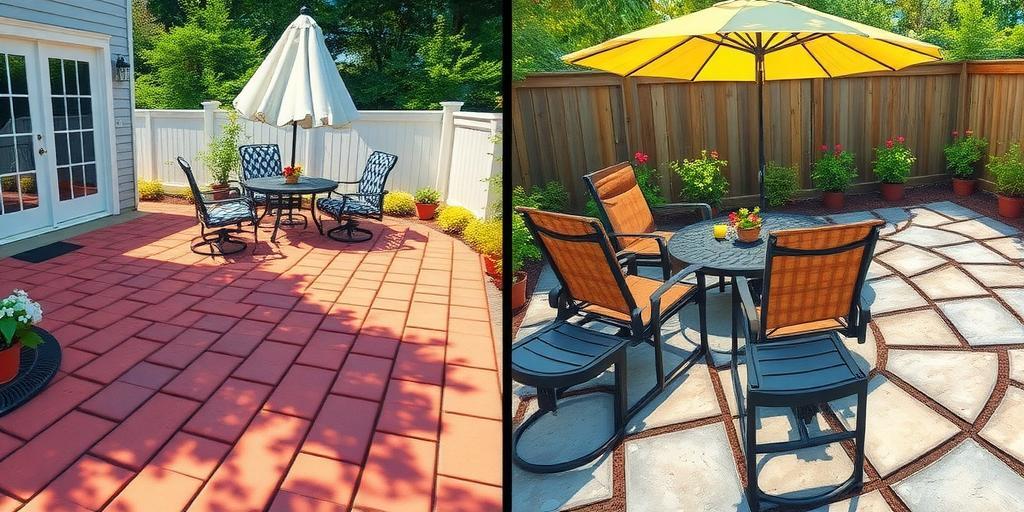
To keep your patio looking its best, start with regular cleaning. Sweep the surface often using a broom or a leaf blower to clear away leaves and dirt. This simple step helps prevent stains from settling in. After sweeping, rinse the area with a garden hose to wash away any remaining grime. For a more thorough clean, consider renting a pressure washer once a year. Just remember to test any cleaning solution on a small section first to ensure it won’t damage your pavers. For stubborn stains, a soft-bristle brush can be used, as it won’t scratch the surface. Always clean spills right away to prevent any permanent marks. Avoid using metal tools, as they can cause scratches. Regularly check for and remove organic growth like moss or algae, which can make your patio slippery. Good airflow is important too, so ensure your patio has space to dry after cleaning. Lastly, store your cleaning equipment properly to keep it in good shape for future use.
- Sweep with a broom or leaf blower to keep debris away.
- Rinse down the surface with a hose to remove dirt and grime.
- Consider renting a pressure washer for deep cleaning annually.
- Test cleaning solutions on a small area before full application.
- Use a soft-bristle brush for stubborn stains without damaging pavers.
- Clean spills immediately to prevent staining.
- Avoid using metal tools that could scratch the surface.
- Check for and remove any organic growth like moss or algae.
- Ensure good airflow around the patio to aid in drying after cleaning.
- Store cleaning equipment properly to extend its life.
2. Importance of Sealing Your Pavers
Sealing your pavers is crucial for maintaining their beauty and durability. It protects against water absorption, which can lead to cracks and other damage over time. When selecting a sealant, it’s important to choose one that matches your paver material, whether it’s concrete or natural stone. Applying the sealant in dry weather will yield the best results, ensuring it adheres properly and provides an effective barrier. Look for sealants that also offer UV protection to keep the colors of your pavers vibrant and prevent fading.
Additionally, consider using a breathable sealant. This type allows moisture to escape, which can be particularly beneficial for preventing mold and mildew growth beneath the surface. For ongoing protection, it’s recommended to reapply the sealant every one to two years. Before sealing, test a small area to ensure compatibility with your pavers, and always clean the surface thoroughly. Avoid sealing over dirty or damp areas to prevent adhesion issues. Lastly, check local guidelines for any specific recommendations regarding paver sealing, and don’t hesitate to consult experts for tailored advice on sealant types and application methods.
3. Joint Maintenance Tips for Longevity
Inspect your patio joints regularly to check for sand loss or displacement. If you notice any low areas, refill them with polymeric sand, as it binds better than regular sand and resists washing out. After filling the joints, lightly mist the sand to activate the bonding agents, ensuring the sand stays in place. Keep an eye out for shifting pavers, as this can indicate underlying joint issues that need addressing. It’s wise to plan for re-sanding in the spring, just before heavy usage begins. Use a broom to evenly spread the sand into the joints, and make sure they are free from debris before adding new sand. Monitoring for weed growth is essential, and treat any weeds as necessary to maintain the integrity of your patio. Finally, evaluate the drainage in your patio area to prevent sand erosion, which can compromise your paving system.
4. How to Repair and Replace Pavers
To keep your patio looking its best, it’s important to monitor for signs of damage, like cracks or uneven surfaces. Regular inspections can help you catch these issues early. When you notice a damaged paver, carefully remove it to avoid harming the surrounding ones. For small cracks, a concrete patch can effectively fill those gaps, making your patio safe and visually appealing. If you need to replace a broken paver, choose one that matches the existing pattern for a seamless look. Before inserting the new paver, check the base material beneath it for stability; a solid foundation is key to preventing future issues. If you’re dealing with extensive damage or a large area, consider hiring professionals to ensure the job is done right. Once you replace a paver, use a rubber mallet to reset it to its original position. Don’t forget to fill the joints properly after replacement to prevent weed growth, which can ruin the look of your patio. Keeping a few spare pavers on hand for quick repairs is also a smart idea, as it allows you to address minor issues without delay. Finally, documenting your repairs can provide useful reference for future maintenance.
5. Effective Ways to Address Weeds and Drainage
Regular inspections are key to keeping weeds at bay. Make it a habit to check your patio for any signs of weeds and remove them promptly, as they can spread quickly if left alone. For added prevention, consider using a weed barrier underneath your pavers. This can significantly decrease the chances of weeds popping up through the joints. If you need to use herbicides, apply them carefully, ensuring that they do not run off into your gardens. Keeping the areas surrounding your patio clear of organic debris, like leaves and grass clippings, can also help reduce weed growth.
Drainage issues can cause serious problems for your patio. If you notice pooling water after it rains, it may indicate that your drainage is not functioning properly. Ensure that gutters and downspouts direct water away from your patio to avoid water accumulation. If you find that water flows toward your pavers instead of away from them, you might need to re-grade the area. In some cases, installing drainage channels can be a worthwhile solution. Additionally, keep an eye out for erosion around the edges of your patio, as this can compromise its stability. Evaluating the soil conditions can also provide insights into how to improve drainage, ensuring your patio remains in good shape.
6. Seasonal Maintenance Schedule for Patios
Creating a seasonal maintenance schedule for your patio is a smart way to keep it in top shape. Start by developing a cleaning routine that includes weekly tasks such as sweeping and rinsing off dirt. In the spring, schedule a deep clean before you start using your patio more frequently. This is also a great time to inspect for any damage or wear, which should be done at least twice a year. During the summer, re-seal your pavers to ensure they remain protected and looking their best. As fall approaches, plan for joint maintenance to prevent issues before winter sets in. When snow and ice arrive, be careful in how you remove them to avoid damaging your pavers. It’s also wise to consider hiring professional maintenance services annually for a thorough check-up. Keep track of all maintenance dates in a calendar, and adjust your schedule based on your regional weather patterns. Finally, end each season with a comprehensive inspection and clean-up to ensure your patio is ready for the next weather cycle.
| Season | Task | Frequency |
|---|---|---|
| Spring | Schedule deep cleaning | Annually |
| Spring | Inspect for damage and wear | Twice a year |
| Summer | Re-seal pavers | Every 1-2 years |
| Fall | Plan for joint maintenance | Annually |
| Winter | Remove snow and ice carefully | As needed |
| Throughout the year | Keep track of maintenance dates | Ongoing |
| Throughout the year | Adjust schedule based on weather | Ongoing |
| End of each season | Conduct a thorough inspection and clean-up | At the end of each season |
7. Professional Help from D’Carmo Pavers
Consulting with professionals like D’Carmo Pavers can provide you with a tailored maintenance plan that meets the specific needs of your patio. Their expertise allows you to understand the best practices for your type of paving material, ensuring you get the most effective care. You can request a free quote to explore the service options available, helping you budget accordingly.
When you reach out, don’t hesitate to ask about their experience with different paver materials. This knowledge can be crucial, especially if you have unique requirements or considerations. Additionally, it’s wise to inquire about any seasonal offers or discounts they might have, which can save you money on maintenance services.
Take the time to check customer testimonials and reviews, as these can provide insight into their reliability and quality of work. If you want peace of mind, consider establishing a regular maintenance contract, which can help ensure your patio is always in top shape.
During your visits, you can also seek advice on design changes or upgrades. Professionals can offer valuable suggestions that enhance both the beauty and functionality of your space. If you have specific repair needs, utilize their expertise to address those issues effectively.
After any service, request a detailed report on the condition of your patio. This can help you track progress and understand what additional maintenance may be necessary in the future. Finally, don’t hesitate to follow up with questions to ensure you have clarity on maintenance practices, helping you keep your patio looking its best.
Frequently Asked Questions
What is the best way to clean my patio paving system?
To clean your patio paving system, start by sweeping off any dirt and debris. Use a pressure washer or a hose with a nozzle to rinse away any stubborn stains. For tough stains, a mixture of mild detergent and water can be applied, followed by scrubbing with a brush and rinsing well.
How often should I seal my patio pavers?
It’s recommended to seal your patio pavers every two to three years, depending on your climate and how much wear they receive. Regular sealing helps protect them from stains, fading, and moisture.
Are there certain weather conditions I should be concerned about?
Yes, extreme weather can affect your patio paving system. Heavy rain can lead to erosion, while freezing temperatures can cause cracks. It’s a good idea to inspect your pavers regularly after harsh weather.
What should I do if my patio pavers start to crack or shift?
If you notice cracks or shifting, it’s important to address them quickly. You can remove the damaged pavers, fix the base underneath, and reinstall them or replace them if necessary. Keeping an eye on the joints and filling them with sand can help prevent further shifting.
How do I treat weeds or moss growing between my patio pavers?
To treat weeds or moss, pull them out by hand or use a weeder tool. For prevention, you can apply a weed killer specially made for patios. Regularly sweeping and sealing the joints can also help keep them at bay.
TL;DR To maintain your patio paving system, regularly clean it by sweeping and rinsing, while avoiding harsh chemicals. Seal your pavers every one to two years to enhance durability. Check and refill joint sand to keep weeds at bay and secure pavers. Address any damaged pavers promptly, considering replacement for extensive damage. Prevent weed growth with polymeric sand and monitor drainage issues. Develop a seasonal maintenance routine, seeking professional help if needed, like from D’Carmo Pavers for quality service in the Bay Area.